
Armenian Motifs {SOLD}
About This Section
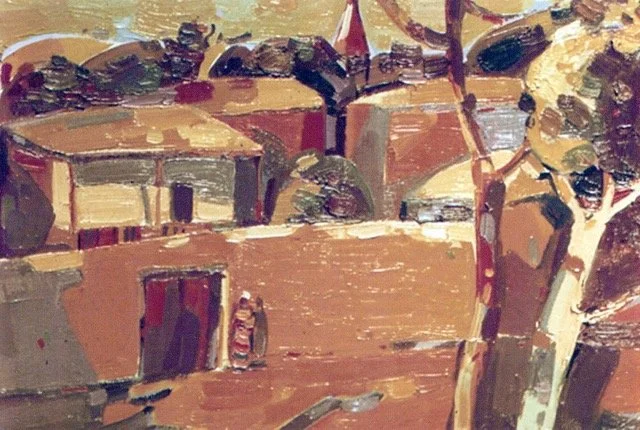
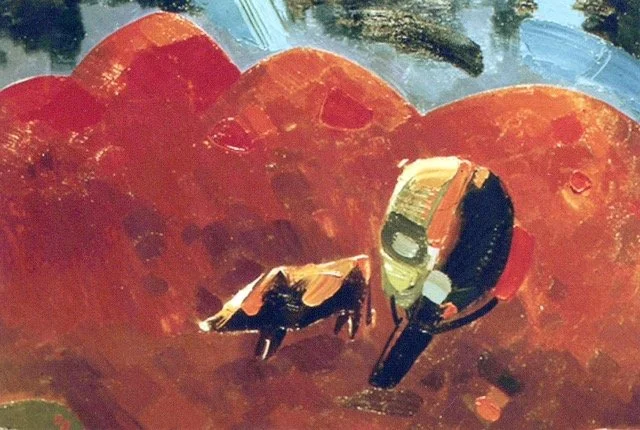
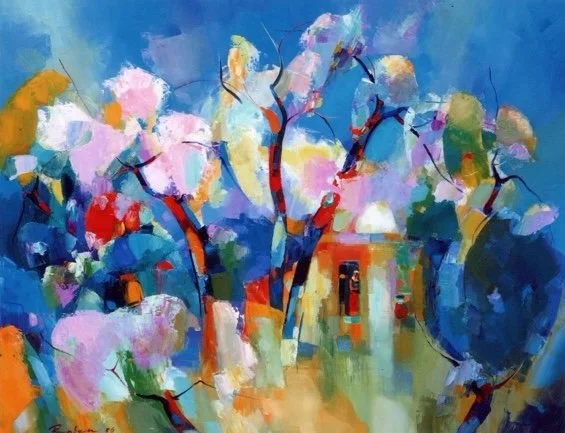
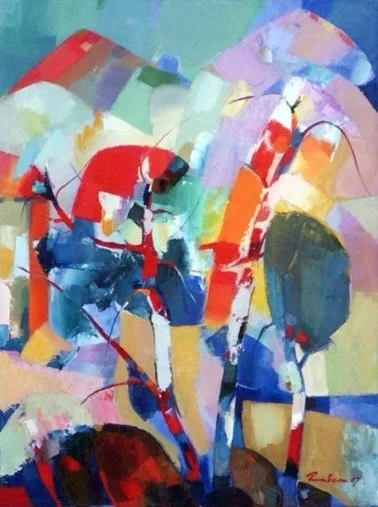
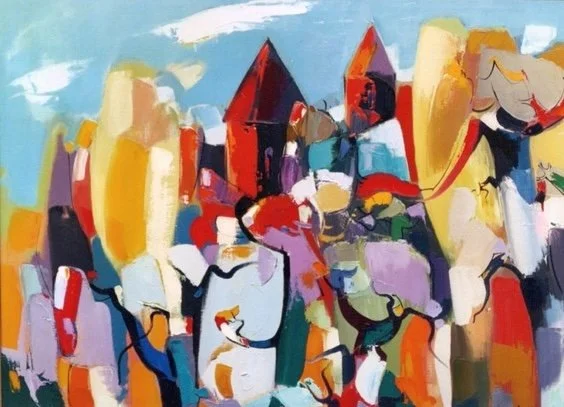
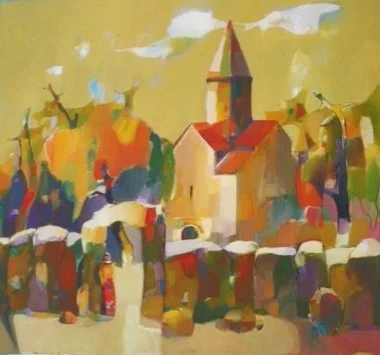
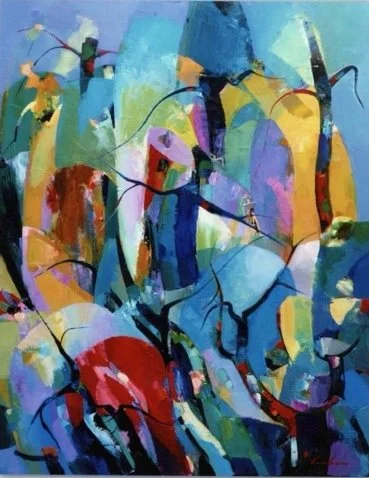
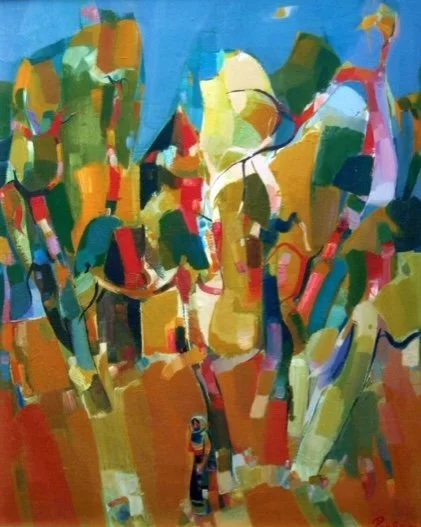
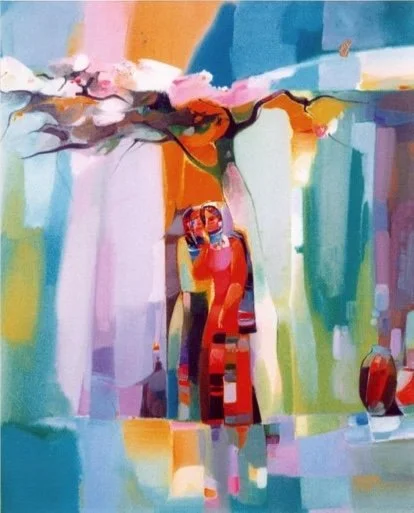
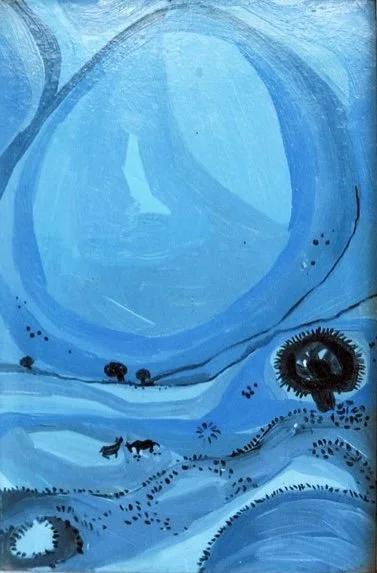
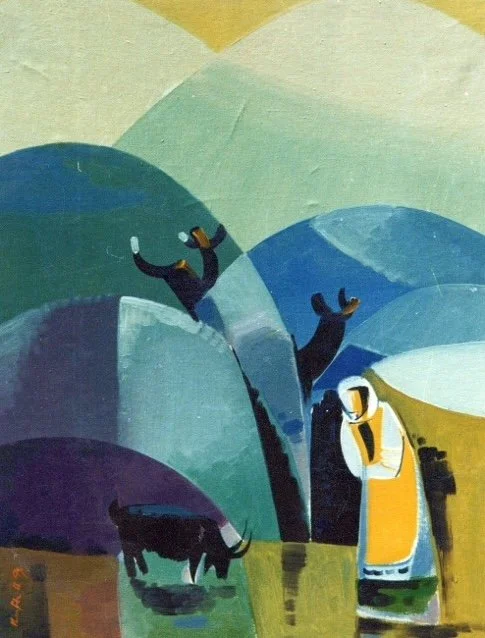
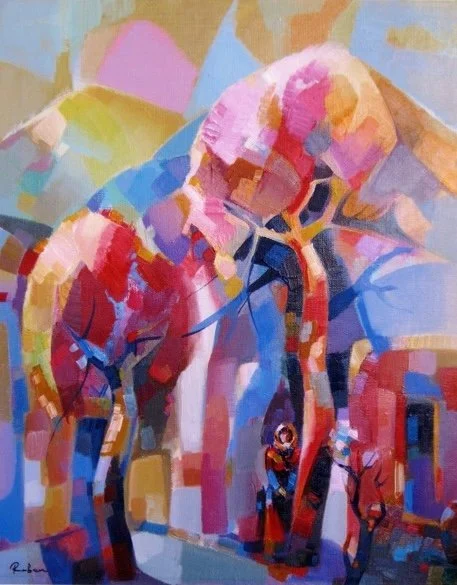
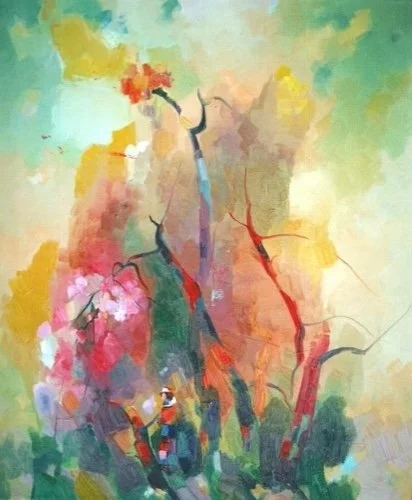
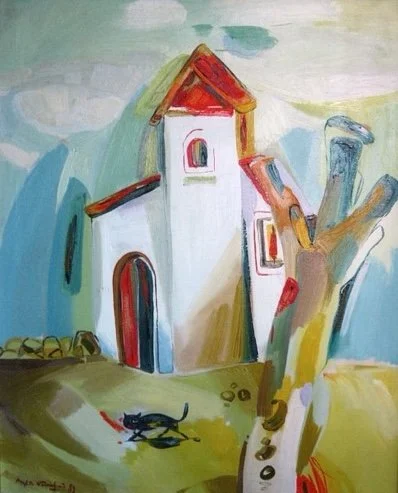
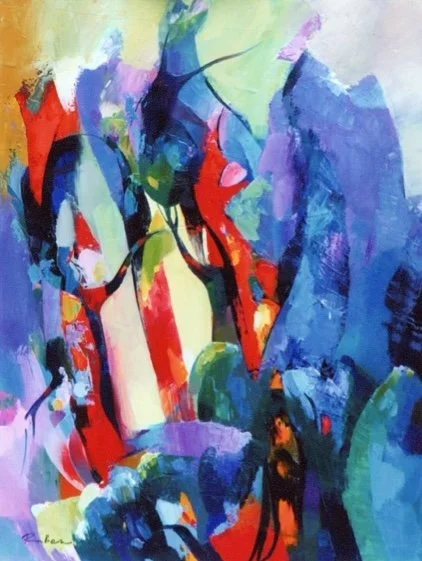
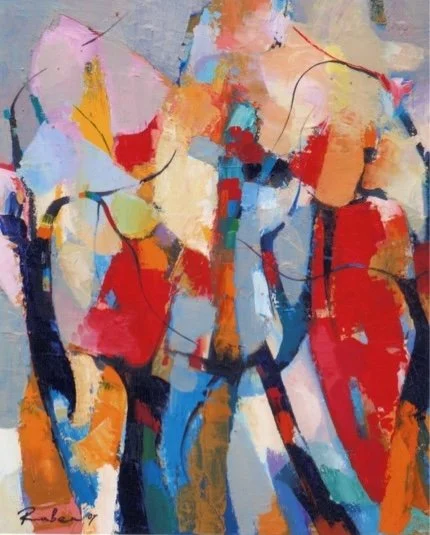
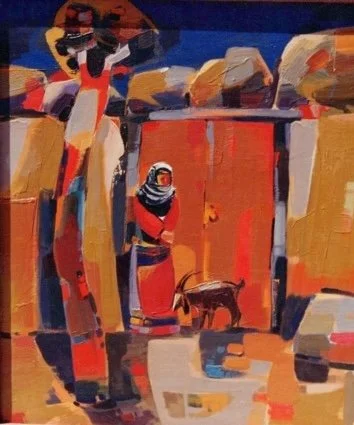
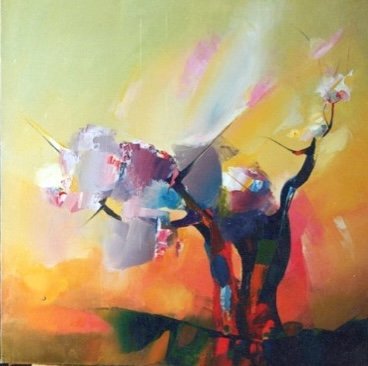
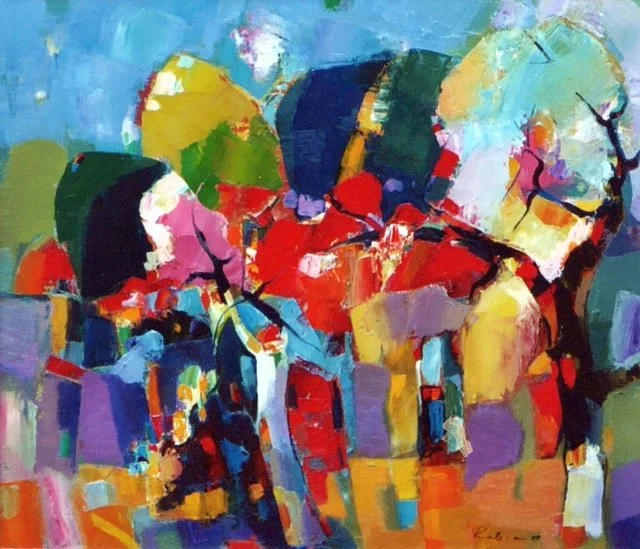
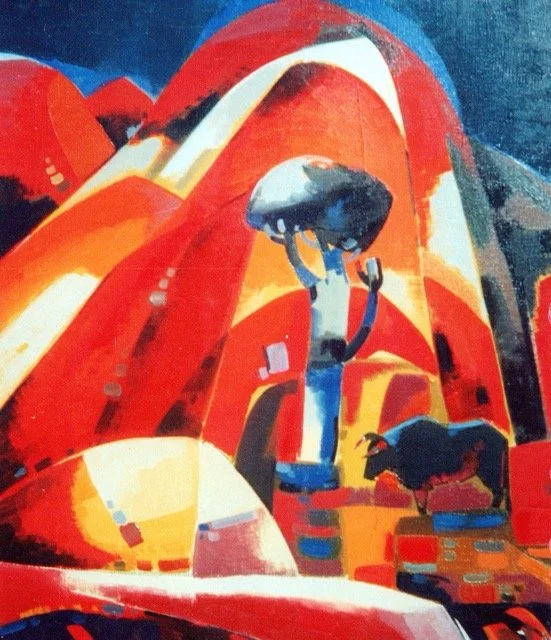
Thinking about Armenian motifs has always felt deeply personal to me. For a long time, I did not know where to begin. Anyone who has been to Armenia will understand this feeling. When an artist paints the purple mountains, it is not abstraction—it is reality. The colors of Armenia truly exist in nature.
What we see in the works of Martiros Saryan, Hakob Kojoyan, and Minas Avetisyan is not imagination detached from reality. Armenia's landscape genuinely carries those remarkable colors, light, and atmosphere.
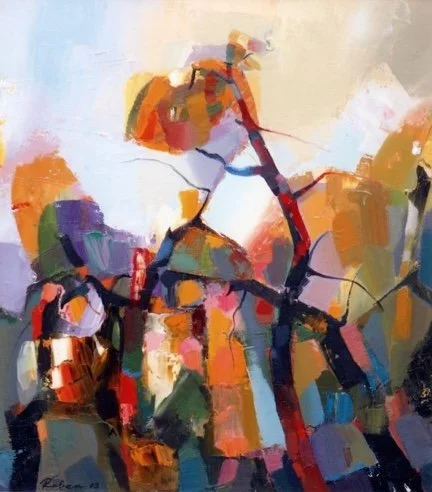
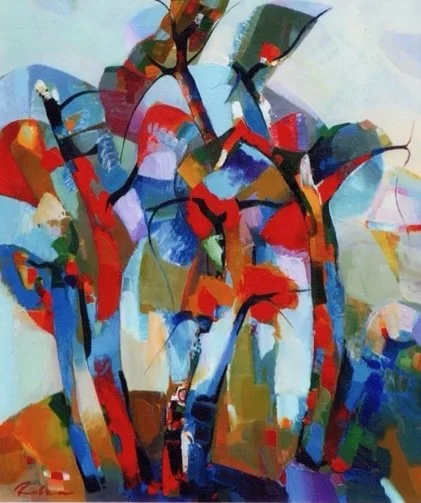
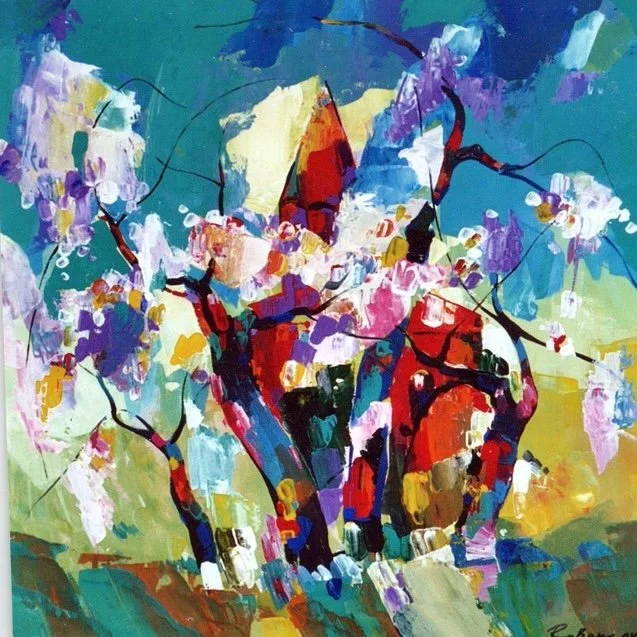
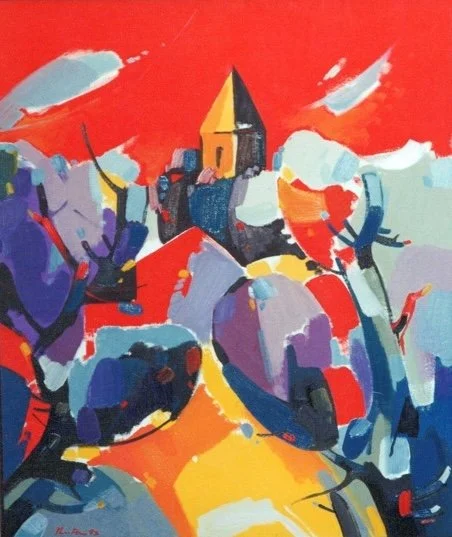
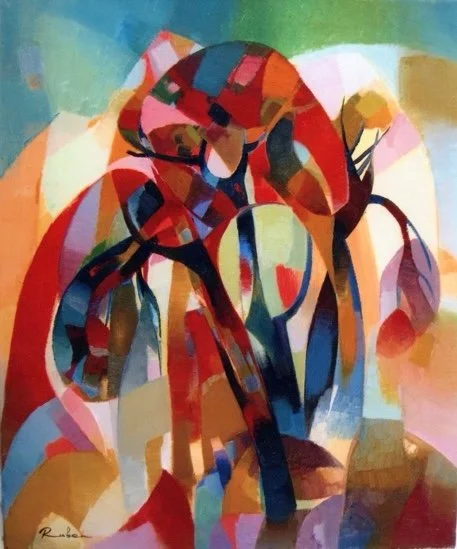
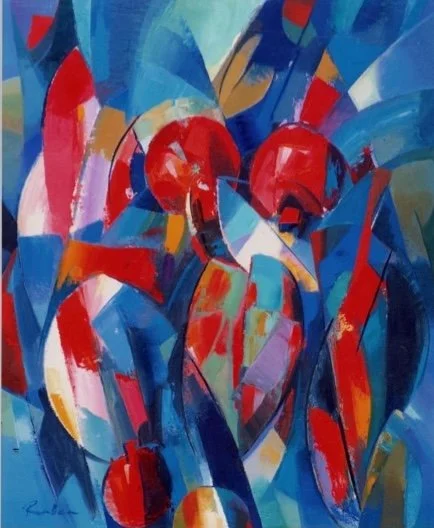
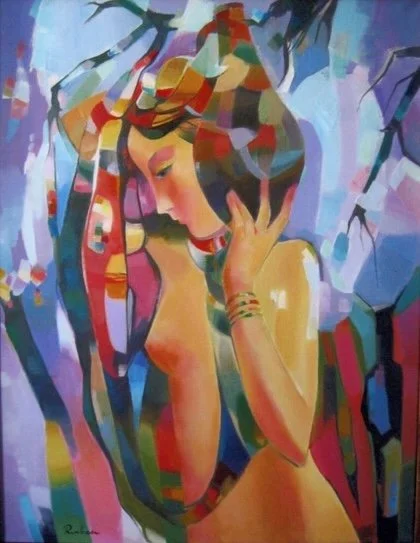
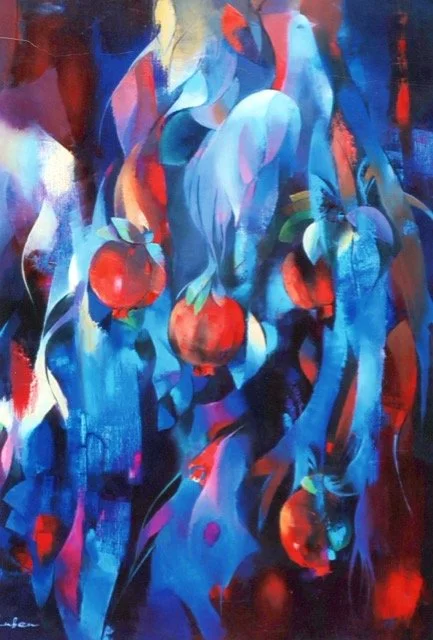
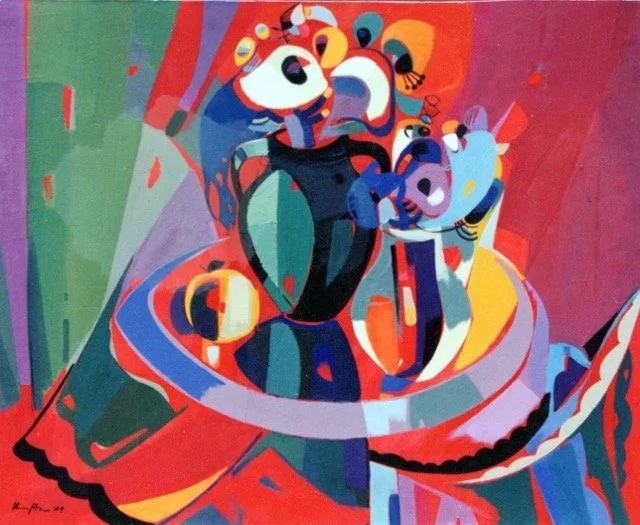
My father, Ruben Manukyan, loved his homeland deeply. Nothing, except his illness, could have forced him to leave the country where he was born. He loved his home, his people, and his life there. That devotion is reflected in every piece of his art.
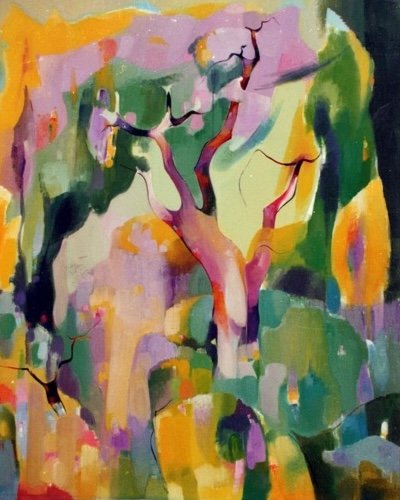
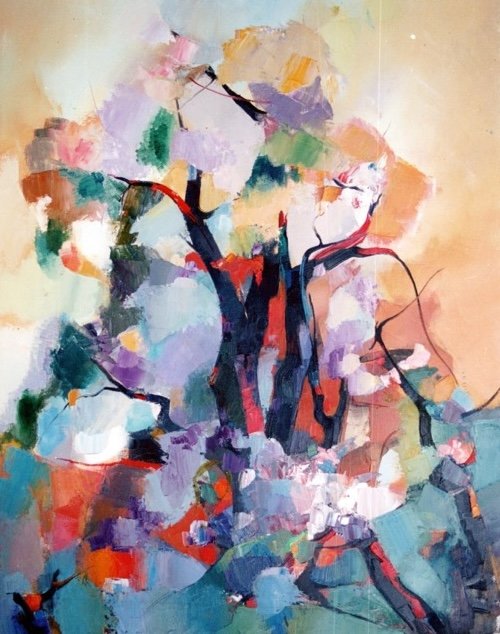
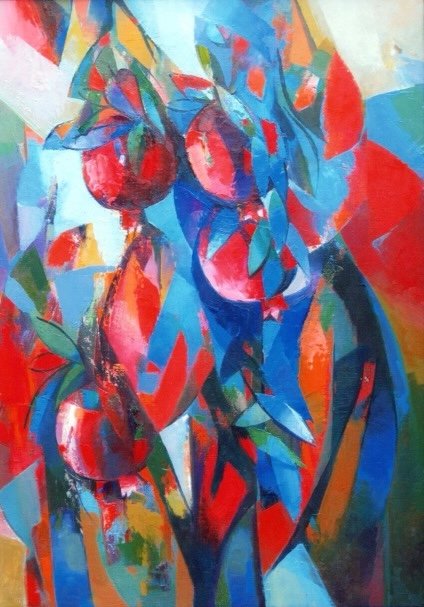
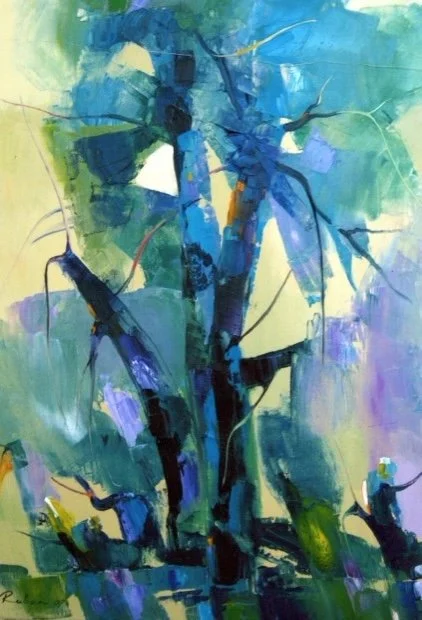
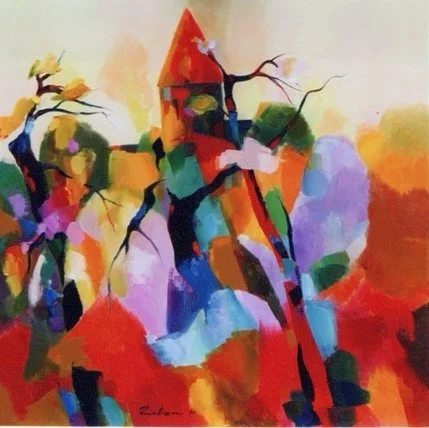
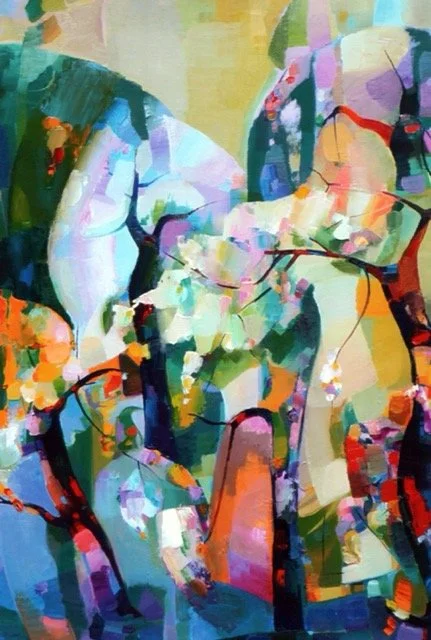
The way he drew branches reveals his emotional energy. You can see it in his trees, in the movement of his lines, in the tension of every brushstroke. Nothing in his work is still or empty. Even when he painted nature, it was never simply a landscape. It was feeling translated into form. His trees are not just trees—they carry his inner rhythm, his memories, and his sensitivity to the world around him.
Even during Armenia's difficult winters and the hardships of war, he continued to paint with love. That love never disappeared from his work.
Recently, I visited Armine and watched old video recordings of my father speaking about his homeland. Listening to him after so many years was deeply moving. He spoke with genuine concern for Armenia and for its people. It became clear how much he carried his homeland in his heart, no matter where he was.
After watching those recordings, I felt I had to rewrite what I had previously written. I discovered that, nearly thirty years ago, Armenia and my father were living through many of the same challenges that Armenia faces today. History seems to repeat itself in unexpected ways.
Perhaps life is wiser than we are. Sometimes I wonder whether each generation is meant to experience its own version of change. Those who spent their entire lives in one familiar world might not have found it easy to accept the transformations that followed. Every generation carries its own hopes, struggles, and sacrifices.
What remains constant is love for one's homeland. That love is visible in my father's paintings, in his words, and in the legacy he left behind. His art is more than a collection of images—it is a record of memory, resilience, and an enduring connection to Armenia.ia’s difficult winters and times of war, he still painted with love. That love never disappeared from his work.
— Alexandra Manukyan (A Daughter's Memory)
Contact Us
For inquiries about Ruben Manukyan’s work—available pieces, exhibitions, licensing/reproduction, or press—please send a message below or call us at +1 (818) 416-7701. We typically respond within 1–2 business days.